
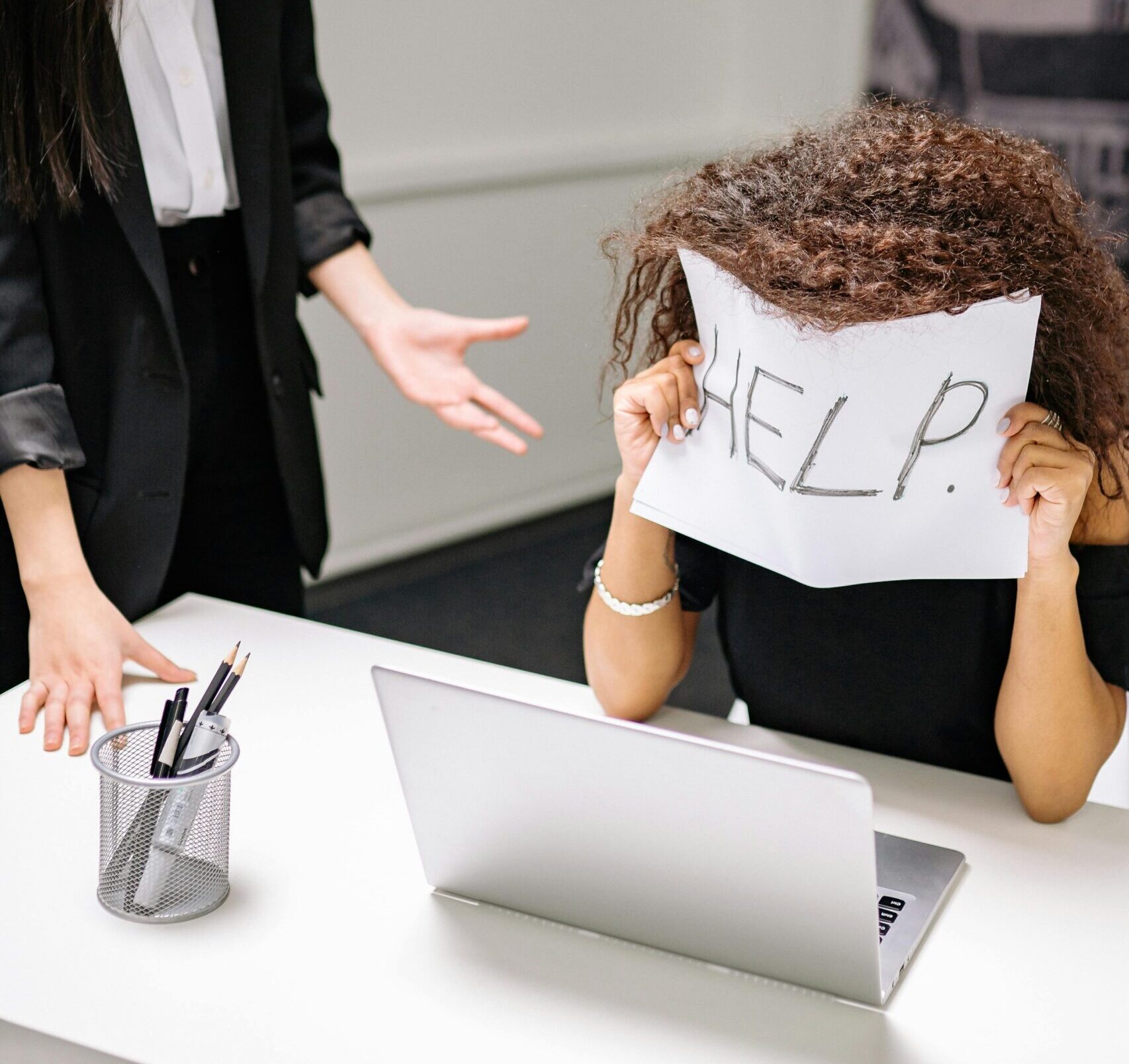
I was very tempted to start this article by telling you how long it took me actually write it, but then I wouldn’t be able to write what I came up with in that time.
This is a love letter to procrastinators everywhere. You open your laptop with noble intentions and high aspirations. You will get ahead. You will become the academic weapon you promised yourself. Routinely, you open canvas and face arguably the worst feature ever; Microsoft Authenticator. It’s too late already. You’re on your phone. A quick scroll won’t hurt, right? Somewhere between a “day in my life” video and a clip of someone building a swimming pool with clay, you realize it’s now been 40 minutes since you’ve done anything. If this sounds familiar, congratulations! You are among friends (and a student.)
Procrastination is one of those things we joke about constantly while also quietly hating ourselves for it. It’s a personality trait, a campus tradition. Sometimes procrastination is your brain’s attempt to protect you from discomfort. If you don’t start, you can’t do it wrong. If you don’t try, you can’t fail. If you don’t submit, you can still believe you would’ve done great “if you had time.”
Other times it’s simply much less deep: the task looks tedious, you convince yourself it won’t take that long, and then you finally begin and understand why you were given three weeks in the first place. It might be boring. It might be difficult. It might be getting in the way of binge-watching a show you “just want to watch one episode” of. There are so many reasons we put things off that if I listed them all, there would be no end in sight.
But most procrastination tends to fall into a few familiar patterns, depending on what you’re avoiding (or what you’re telling yourself you’re avoiding). You’ve probably met at least one of these procrastinators. You might be one of them.
The Adrenaline Addict: They swear they “work better under pressure,” and sometimes they do! The adrenaline gives you focus. It compresses time. It turns “I can’t” into “I must.” It’s basically chemical motivation for them.
The Productive Procrastinator (side-quest champion): This person is productive… just not on the correct task. They clean. They meal prep. They answer emails. They reorganize the entire room. They become the most functional human on earth, as long as it’s not the assignment. Sometimes this is avoidance with a halo: you get the satisfaction of being productive without the vulnerability of doing the thing you’re scared of.
The Avoider: This person doesn’t procrastinate because they’re distracted. They procrastinate because the task triggers something uncomfortable. Avoidance is often about self-worth. If the task feels like proof of your ability, then not starting feels like protecting your identity.
The Perfectionist: This person doesn’t avoid work because they don’t care. They avoid it because they care too much. Starting means producing something imperfect. And if your brain has decided imperfect = embarrassing, then avoiding the task feels safer than risking a first draft that isn’t genius on arrival.
At the end of the day, these are all different routes to the same destination: not starting. Some reasons are real, overwhelm is real, exhaustion is real but the excuses still do the same job. They delay the moment you actually have to face the task, the feeling, and the fact that starting is usually the hardest part. Avoiding discomfort now often just means you pay more discomfort later, and with interest.
“Starting is like stepping into cold water: it feels impossible until you’re in it, and then suddenly it’s fine”
However, there is something oddly beautiful about the shared struggle. The way a simple “I haven’t started either” from a classmate can feel more reassuring than any motivational quote on the internet. Advice rarely helps, but I’ll try to give some anyway.
If you’re stuck, lower the stakes. Tell yourself you’re doing ten minutes, not the whole assignment. Starting is like stepping into cold water: it feels impossible until you’re in it, and then suddenly it’s fine. Half the time, those ten minutes turn into more.
And, you need to let the task or assignment be bad at first. A first draft is allowed to be ugly. Your notes are allowed to be messy. Your first attempt is supposed to look like a first attempt. The goal is to give yourself something to work with.
This is sometimes dependent on our location too, your brain is not going to focus in the same space where you scroll, snack, nap, and spiral. Sometimes the best productivity move is literally relocating. A different chair, a different room, the library, even just sitting at a table instead of your bed. If you can’t change where you are, change what’s around you: put your phone out of reach, close the extra tabs, block one app for half an hour.
And if working alone turns into disappearing, work near someone. Not even to talk, just to exist in the same space as another person doing their own thing. It sounds silly, but it works because focus can be contagious.
One day, we’ll look back on this time with a strange fondness. We’ll miss the spontaneous late-night food runs. The chaotic group chats. The feeling of walking across campus on a crisp morning, earbuds in, pretending we’re the main character in a coming-of-age film.
So if you’re reading this while avoiding an assignment; hello (same)..
Open the document. Write the first messy sentence. It just has to exist. And if all else fails, maybe just one more episode.
After all, you work best under pressure… right?
Writer: Mariyah Khan