
Nature
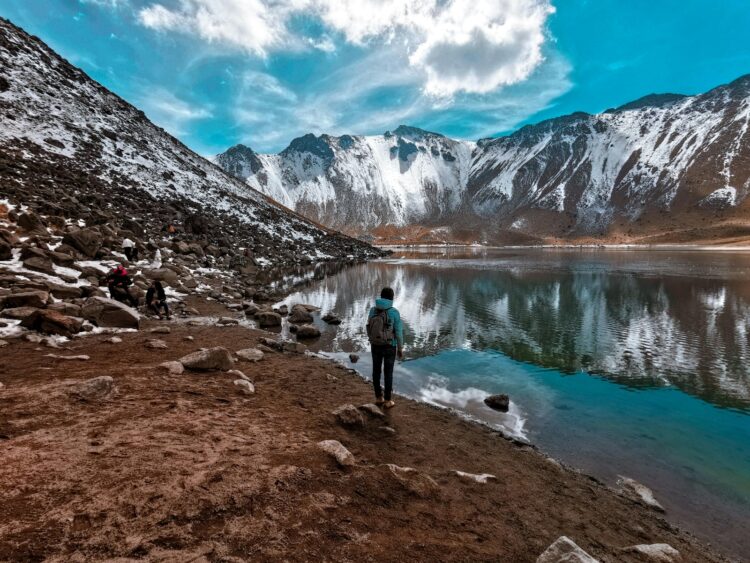 Mexico is one of the 17 megadiverse countries, holding within its territory around 12% of the whole planet’s biodiversity. According to the World Economic Forum, Mexico has the second largest number of ecosystems in the world. The country’s privileged location allows people to experience one of the most unique and precious natural environments that are not only captivating to the eye, but are a true journey through the country’s essence, full of natural sceneries and landscapes that will never stop amazing you.
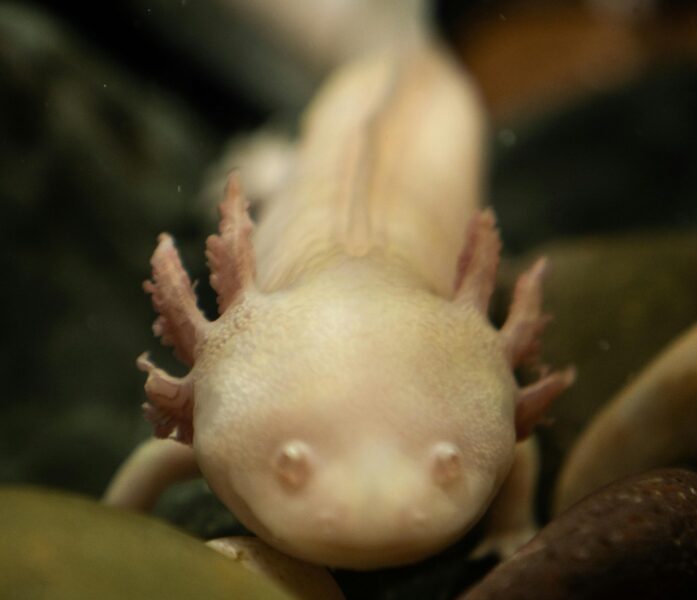
Aditionally, Mexico is home to 536 species of mammals (which 30% are endemic), 290 amphibian species (47% of them endemic), 704 types of reptile (50%+ are endemic), 1,054 bird species and over 25,000 flora species, making it a privileged country where nature thrives like no other place on earth. The Ajolote (Axolotl in Nahuatl) is native from the lakes of the Valley of Mexico, and it retains ancient characteristics.
Food
On November 16, 2010, UNESCO named Mexican gastronomy as an “Intangible Cultural Heritage of Humanity”, being one of only 4 in the world to hold this distinction. Mexican gastronomy represents a cultural immersion in every dish and in every bite. The world known Tacos are a must, whether you’re at a fancy restaurant, down the corner of the street or even at a family meal in your cousin’s house. Imagine a soft handmade fresh tortilla that wraps a generous portion of arrachera (a type of meat) with cebolla (onion), cilantro and limón y sal (lemon and salt), sounds good right?
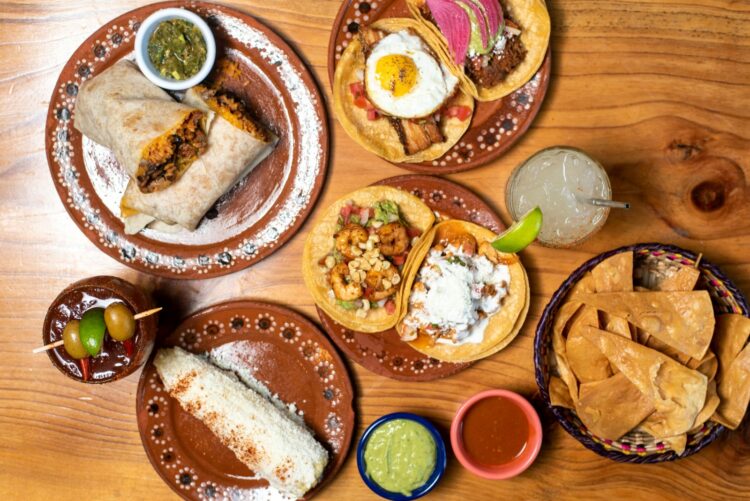
Tacos alone are a full meal by themselves, but if that’s not enough, there’s a whole lot more of delicious dishes that go from molletes, pambazos, tortas, chilaquiles, pozole, flautas, enchiladas, burritos to guacamole, tamales, elote, esquite, agua de horchata, arroz con leche and much more. It’s the perfect place to have a food paradise that never ends with key elements like frijol (beans) maíz (corn) and aguacate (avocado) which, you guessed right, are all ingredients that Mexico gave to the world!
And yes, almost everything is spicy, so if a Mexican tells you that the food is not spicy, it’ll probably be spicy for you, so just double check to be sure before eating anything, but above all, enjoy!
Tourism
According to National Geographic, in 2025, Mexico was the 7th most visited country in the world.
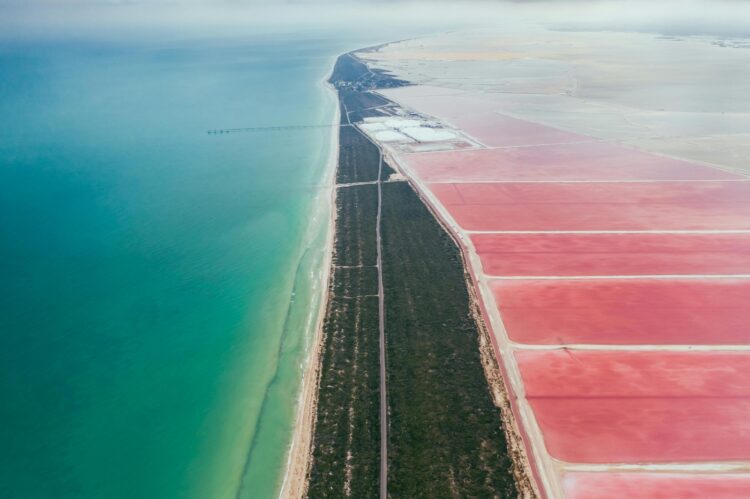 Mexican landscapes offer a huge variety of destinations that is hardly found in other countries. A must go place is the Caribbean paradise in the beaches of Quintana Roo, Cancún, where the crystal clear water meets the soft pale sand along the coast where there’s plenty of beauty to appreciate.
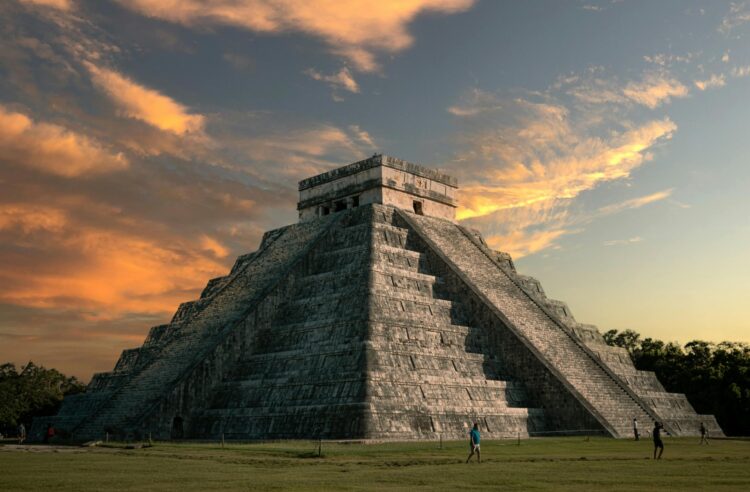 In the state of Yucatán, the archeological site of Chichén Itzá holds the distinction of being one of the seven wonders of the world. It was home of the Mayas for over 400 years until 1250.
It was built as a result of astronomical knowledge Mayas had, as the temple of Kukulcán has 365 steps, which happen to be the same amount of years in the calendar we use nowadays. Moreover, during the spring equinox, the shape of a snake descending the pyramid can be appreciated as it was constructed to be aligned with the sunlight during that day.
Ciudad de México (Mexico City)
In 2026, Mexico City was named World Cultural Capital by the German agency Tourlane.
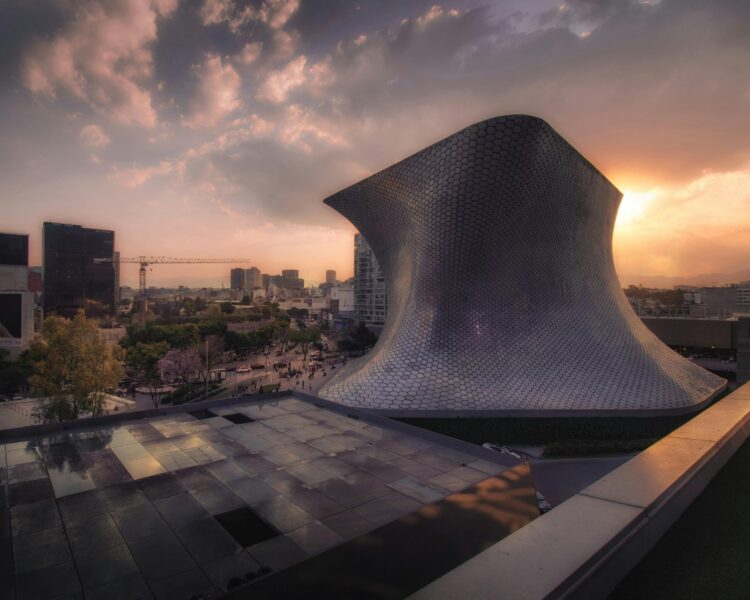
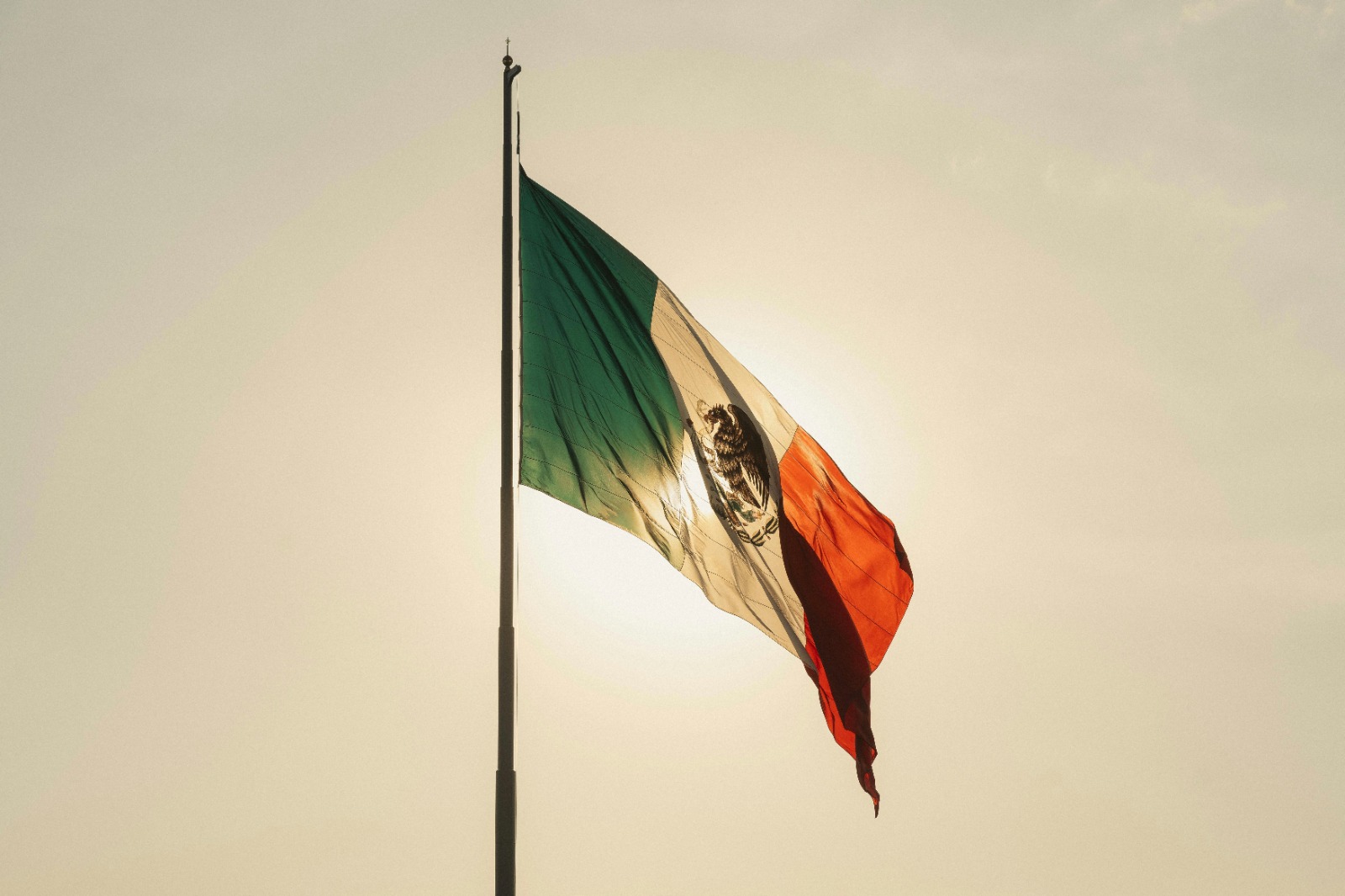
In 1325, Tenochtitlán was founded to be the capital of the Aztec Empire. The city was built over lake Texcoco because, according to the legend, it had to be built in the place where the Mexicas found an eagle standing on a cactus eating a snake (which is the symbol of our flag). Tenochtitlán became one of the pillars of trade, culture and tradition of Mesoamérica and set the foundation to evolve into what we know today as Mexico City, carrying a cultural relevance that has been preserved through time and that is mixed with the modernity of our era to obtain the best of both worlds.
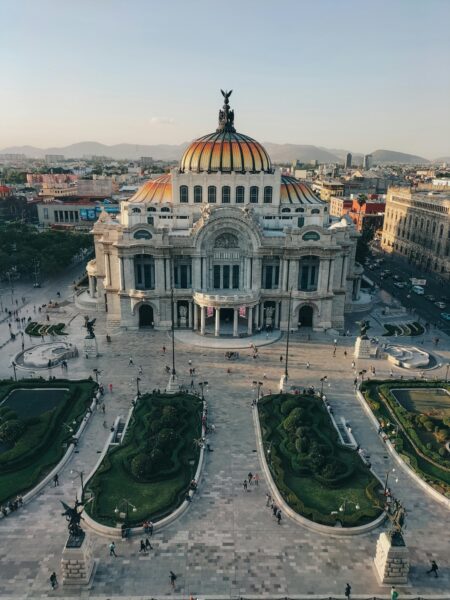 The Centro Histórico (Historic Center) of Mexico City was declared a World Heritage Site by UNESCO in 1987 and has around 1,500 buildings, including temples, museums, hotels, shops, galleries, theaters, and cultural centers spread across 9.7 square kilometers where you can find places like el Templo Mayor de México Tenochtitlan, la Catedral Metropolitana (the Metropolitan Cathedral), el Palacio Nacional (the National Palace), el Palacio de Correos de México (the Mexico City Postal Palace), la Torre Latinoamericana (the Latin American Tower) el Palacio de Bellas Artes (the Palace of Fine Arts ) or el Museo Nacional de Arte (the National Museum of Art) among many others.