
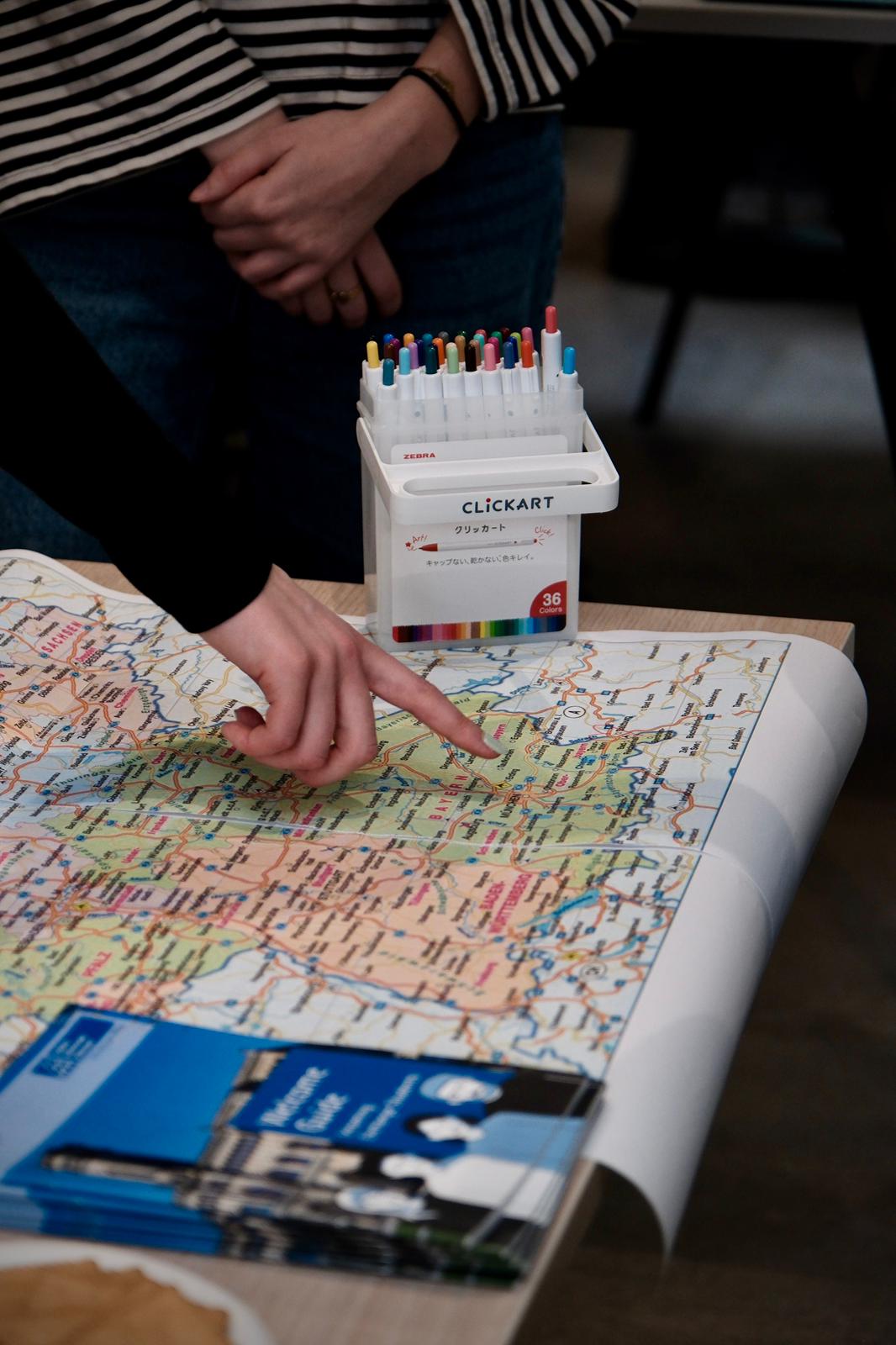
Going on exchange might be the answer.
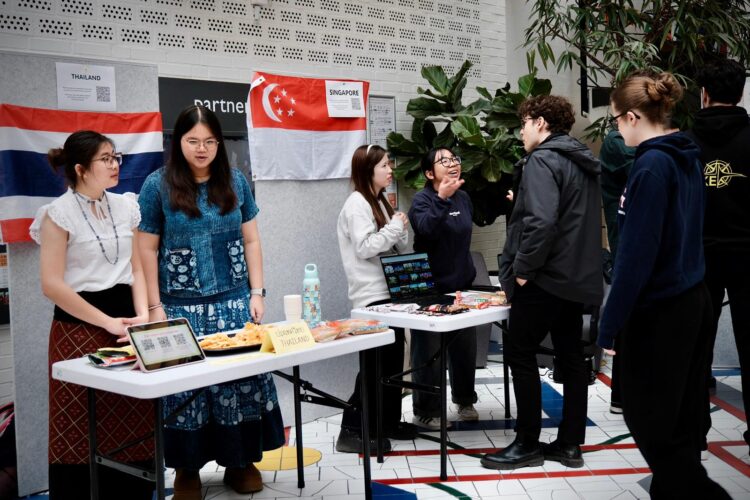
Last Wednesday, JTH lobby transformed into a big potluck hosted by the new exchange students. From 11:00 to 13:00 the new exchange students represented their country and invited their fellow students to taste the food from home. The Go Exchange Fair was also a good opportunity for outgoing students. Some came to gather information about the country they will study in next semester, while others came to explore possibilities and spark their interest in studying abroad.
A taste of home
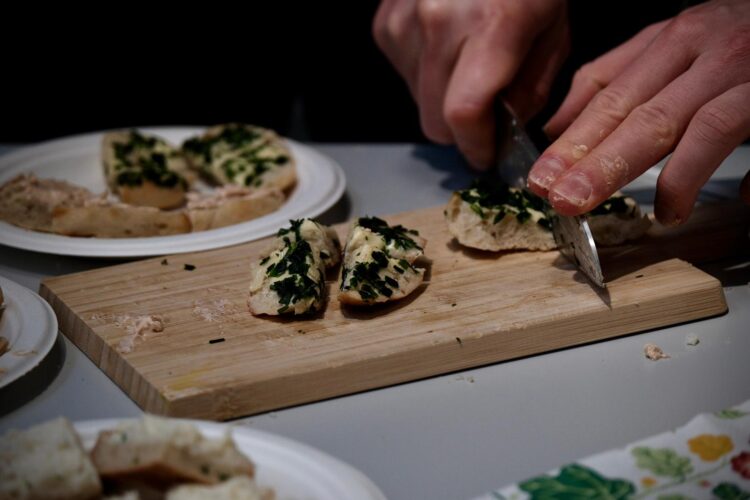
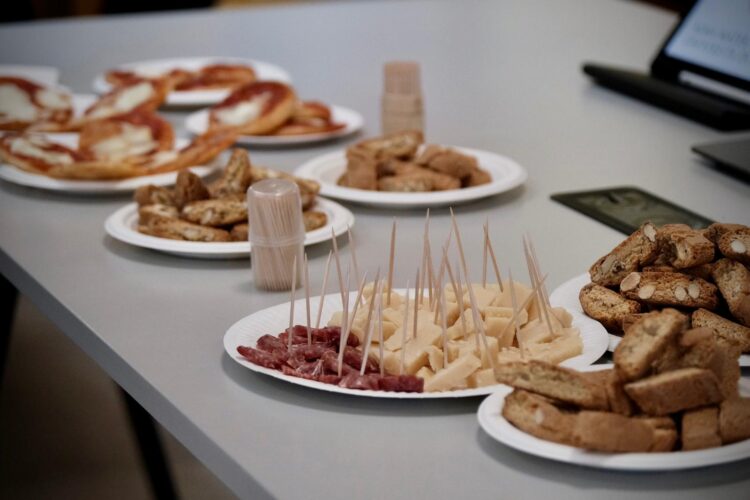
From Dutch pannekoeken and German sourdough bread to Colombian hot chocolate with cheese and Italian cantucci, students had plenty to taste. One thing is certain: Hong Kong’s cuisine proved very popular, and even received a prize. Isabelle and Gila, students from Hong Kong, had prepared lemon tea and a traditional dessert blending fruit and coconut jelly. With students from over 100 countries at JU, the fair was a perfect opportunity to rediscover tastes of home while studying abroad.
You should go on exchange because …
The fair was also a good moment for incoming students to promote their home countries and convince others to visit them.
“If you want to do something very good in your life go to the Netherlands!” enthuses Anne, a Dutch exchange student. “We have the best parties, the best student cities, everybody is hyped about the national football team (Oranje).”
Thailand, Italy and Brazil were just as persuasive in convincing people to visit their country.
“If you are interested in learning about South-East Asian culture, Thailand is definitely a good choice.” say Noina and Statang. “We have different cultures: Northern, Southern, Eastern and Western. If you have a problem, you can go to almost every person, they will definitely help you.”
According to Francesco and Giulia, Italian exchange students, “The people in Italy in general are really friendly, extroverted and they love exchange students. The nightlife is incredible. You have to study, but at the same time, you can really enjoy Italy in general.”
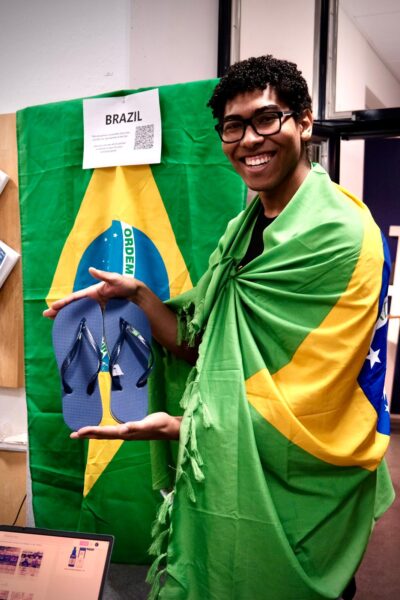
If you are more interested in South America, and want to go to Brazil, “you are going to have a really good time. There are many great landscapes, great people, and lots of activities.” Another advantage Lucas sees in his country is that “professionally speaking, we have lots of good companies, lots of ways that you can involve yourself and try to learn a bit.”
Adapting to the Swedish slower pace of life
For some students, adapting to Sweden was easy. For Tjorven, a German exchange student, the transition felt natural. “It is similar to Germany, especially mindset-wise. We are very time specific. If we have to be somewhere on time, we arrive five minutes early, just like the Swedes.” Anne, an exchange student from the Netherlands, had a similar experience. “Dutch and Swedish culture is quite similar in the way people behave. People are strict about being on time.”.
Despite these similarities, the exchange students also appreciate the Swedish specificities. Tjorven recognises that “The fika part we quite admire because we don’t have that slower lifestyle.”. Anne likes that “there is always security in the clubs and police – we are not used to that in the Netherlands”. She also joined the Hälby football team, which has helped her learn Swedish and understand the culture better. For instance, she explained : “Yesterday I learnt about lagom, that’s something very Swedish.”
For others, Swedish culture was something new. Isabelle and Gila were surprised by the Swedish rhythm. “We are fast-paced in Hong-Kong. Sweden is very slow-paced. “Everything is slower here — the transport, the way we walk. It’s more chill.” Lucas, an exchange student from Brazil, noticed that people are quieter in Sweden. “Sometimes I like it, sometimes I don’t. In some situations, I really want to talk to people to get to know what I can do here. But sometimes I also like the quiet, so I think it is kind of a good and bad experience at the same time.”
After arriving, many students quickly understood why the weather is such a big topic of conversation in Sweden. Lucas reckons “the biggest difference when I got to Resecentrum was the weather. It was minus eight the day when I arrived, and back in Brazil it is summer, it is 30 degrees right now so it was a big shock.” It was the same for Satang and Noina, from Thailand : “The first week was so hard, especially because we came in winter. The weather is so different from home, but it was more chill after one week.”
Going abroad is also about creating unforgettable memories. For most of the exchange students interviewed, the best moments so far have been the Kick-off week, because they met a lot of people, and started to hang out with their international friend group. For many, the Lapland trip was another highlight — despite the 20-hour bus ride.
Outgoing students
Amongst the students at the fair, Belma, a student in new media design, has just received her answer for next year. She will go to Austria, a country she has long wanted to visit for its mountains and nature. Saphira, an Austrian student, was there to answer her questions about her future courses and give advice. “Definitely enjoy the mountains, go hiking. Visit also other cities in Austria, not only Salzburg. If you want to, you can ski!”. This is a good opportunity for Belma, who has never skied before. Even though she is excited, one thing that worries her is getting lost. “It is very easy to go to another country thinking that it’s going to be so easy to navigate with my English, but of course not everyone knows it, all the population maybe doesn’t speak very well”.
Gabor, a program student from Hungary, is interested in the West, the United States, or the Far East, like Singapore or Hong-Kong, “but nothing in between”. His main objective is to learn about the differences between the European or the Far Eastern or the Far Western cultures. During the exchange fair, he asked questions about the process and the expenses. which the students were incredibly helpful in answering. Any worries? “I don’t have any worries about going to exchange. Maybe I’m more excited than worried about it!”. And he has every reason to be.
Writer: Amy Villette